


Everything You Need to Know About Kosher Certification – Meaning, Process & Business Benefits | Kosher Certifications
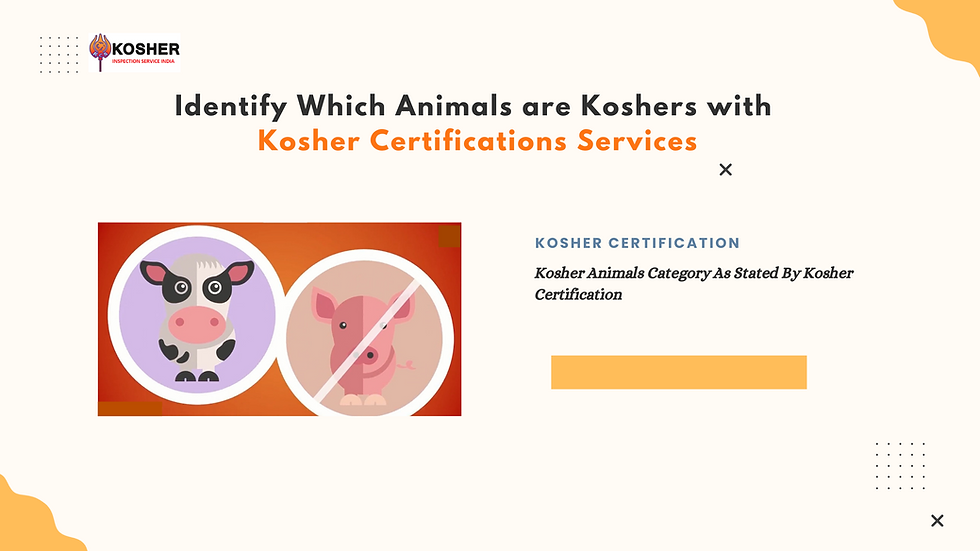
Kosher Certification is an internationally recognized food compliance system that ensures food products follow Jewish dietary laws known as Kashrut. These dietary laws regulate which foods can be consumed, how ingredients should be handled, and how food must be prepared and processed. In the modern global food industry, Kosher Certification has become an important requirement for manufacturers, exporters, and restaurants that want to maintain high standards of quality and reach international markets.
Many food businesses choose to obtain certification through Kosher Certifications because it helps them demonstrate that their production process follows strict dietary guidelines. Certification also assures consumers and global buyers that the products meet internationally accepted food safety and quality standards.
What is Kosher Certification? (Kosher Certification Meaning)
The Kosher Certification meaning refers to the official verification that food products, ingredients, and manufacturing processes comply with Jewish dietary laws. These regulations determine which ingredients are allowed, how food must be prepared, and how equipment should be used to prevent contamination between different types of food.
When a company applies for Kosher Certification, inspectors from authorized organizations such as Kosher Certifications review the entire production process. They examine the ingredients used, the preparation methods, and the equipment involved in food production. After successful inspection, the product receives a kosher symbol that can be displayed on packaging.
Kosher Certification is widely used in many sectors of the food industry, including:
• Food manufacturing companies
• Beverage production businesses
• Packaged food brands
• Restaurants and catering services
• Ingredient suppliers and exporters
Because the certification process involves strict supervision and verification, kosher-certified products are often trusted by consumers who value high food safety and quality standards.
Why Businesses Need Kosher Certification
Understanding why businesses apply for Kosher Certification is important for companies operating in the global food market. Certification not only ensures compliance with dietary laws but also offers several commercial advantages.
One of the biggest benefits of Kosher Certification is global market access. Many countries with large Jewish populations or international food markets require or prefer kosher-certified products. Businesses that obtain certification can expand their export opportunities and reach a wider customer base.
Another advantage is improved consumer trust. Many customers believe that kosher-certified products follow strict inspection procedures and maintain high hygiene standards. As a result, these products often gain a strong reputation for quality.
Certification can also help businesses strengthen their brand image. Companies that obtain Kosher Certification demonstrate commitment to quality control, transparency, and compliance with international food standards.
Kosher Certification in the Food Industry
Kosher Certification plays an important role in different segments of the food industry. Manufacturers and suppliers often seek certification to ensure their products meet global compliance requirements.
Common industries that benefit from certification include:
• Food processing companies
• Beverage manufacturers
• Packaged food brands
• Dairy and ingredient suppliers
• Restaurant and catering businesses
With assistance from Kosher Certifications, businesses can successfully complete the certification process and meet international standards required by buyers and distributors.
Kosher Restaurants and Food Service Standards
Kosher restaurants are food establishments that prepare meals according to Jewish dietary laws. These restaurants must follow strict preparation guidelines to maintain kosher status and ensure compliance with dietary requirements.
Important standards followed by kosher restaurants include:
• Using ingredients approved under kosher dietary rules
• Maintaining separate preparation areas for meat and dairy products
• Following specific cooking and cleaning procedures
• Operating under supervision from authorized certification authorities
Restaurants certified by Kosher Certifications can display kosher approval symbols to assure customers that their meals follow authentic dietary guidelines.
Benefits of Kosher Certification for Businesses
Obtaining Kosher Certification offers several important advantages for companies involved in food production and distribution.
Major benefits include:
• Access to international food markets
• Increased consumer confidence
• Higher product credibility
• Compliance with global food safety standards
• Improved brand reputation
Because of these benefits, many companies view certification as a strategic step for expanding their business globally.
Frequently Asked Questions
1. What is Kosher Certification?
Kosher Certification confirms that food products follow Jewish dietary laws and meet strict preparation and processing standards.
2. What is the Kosher Certification meaning?
It refers to official verification that a food product or manufacturing process complies with kosher dietary regulations.
3. Why do businesses obtain Kosher Certification?
Businesses obtain certification to expand into international markets, increase consumer trust, and meet global food compliance requirements.
4. Which industries require Kosher Certification?
Industries such as food manufacturing, beverages, packaged foods, restaurants, and ingredient suppliers commonly apply for certification.
5. Who provides Kosher Certification services in India?
Kosher Certifications provides professional inspection, consultation, and certification services for businesses seeking kosher approval.
Comments